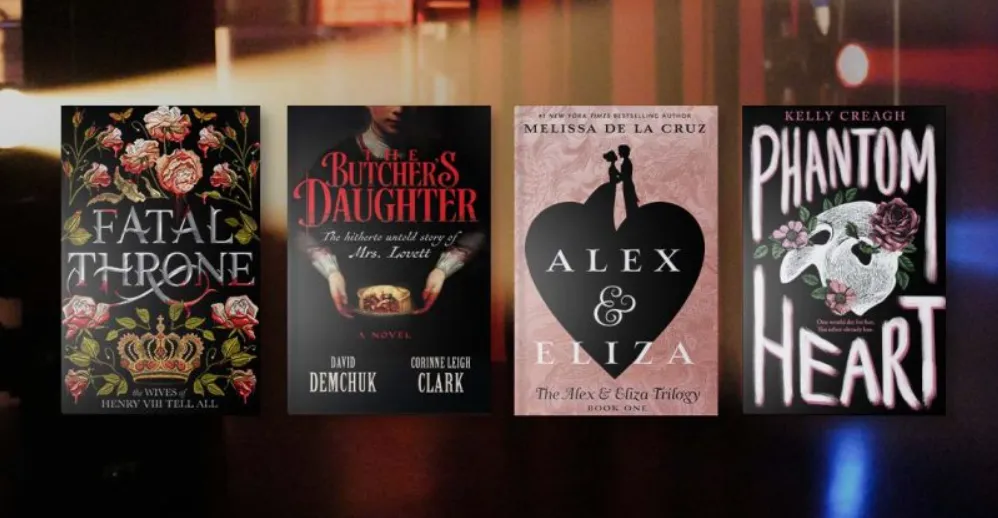
Classic literature has long been a cornerstone of cultural and educational heritage, offering timeless themes, complex characters, and profound insights into the human experience. Yet, as society evolves, the ways in which people engage with these stories have transformed dramatically. Today, classic literature is experiencing a vibrant revival, thanks in large part to modern adaptations in film, television, digital media, and even interactive platforms, which bring timeless narratives to contemporary audiences in exciting, innovative ways.
Platforms like Play Vortex allow creators to explore new dimensions of storytelling by transforming classic works into interactive experiences, games, and immersive narratives. For instance, adaptations of Shakespearean plays, Jane Austen novels, or Dickensian tales can now be experienced not just on page or screen, but as interactive storylines that engage audiences in entirely new ways. This digital evolution has helped to keep these works relevant, particularly among younger audiences who might otherwise view classic literature as inaccessible or outdated.
Why Modern Adaptations Matter
Modern adaptations serve as a bridge between historical literary works and contemporary audiences. While the original texts provide cultural and historical insights, adaptations contextualize these stories for modern sensibilities, highlighting themes and issues that remain relevant today. For example, adaptations of Jane Austen’s Pride and Prejudice have explored issues of gender equality and social mobility in ways that resonate with contemporary viewers, while retaining the original story’s charm and wit.
Similarly, adaptations of Shakespeare’s works often bring a fresh perspective by changing settings, characters, or dialogue to reflect current societal dynamics. Films like 10 Things I Hate About You or She’s the Man demonstrate how classic narratives can be transformed into relatable modern stories without losing their core themes. These adaptations make literature approachable, entertaining, and culturally significant all at once.
Popular Forms of Modern Adaptations
- Film and Television:
Hollywood and global cinema have a long-standing tradition of adapting classic literature. Iconic novels like The Great Gatsby, Little Women, and Wuthering Heights have seen numerous film and television adaptations that reinterpret these stories for each generation. By blending contemporary cinematography, music, and narrative styles, these adaptations breathe new life into familiar tales.
- Digital Media and Streaming Platforms:
The rise of streaming services has created an unprecedented opportunity for classic literature to reach a global audience. Miniseries and short-form adaptations allow viewers to explore complex plots and character arcs without the constraints of traditional media. Additionally, interactive platforms are experimenting with gamified literary experiences, allowing users to make choices that influence the story’s direction, thereby deepening engagement with classic narratives.
- Theatre and Live Performances:
Modern theatre productions often reinterpret classic texts with experimental staging, diverse casting, and contemporary dialogue. Productions of Shakespeare, for example, have incorporated modern music, urban settings, and even digital elements to create immersive experiences for audiences. These performances not only celebrate the original works but also introduce them to new demographics in a highly engaging format.
- Graphic Novels and Illustrated Adaptations:
Another innovative approach involves transforming classic literature into graphic novels or illustrated editions. By pairing text with compelling visuals, these adaptations attract visual learners and younger readers who may be hesitant to engage with traditional formats. Works like Frankenstein, Alice in Wonderland, and The Odyssey have been successfully reimagined in this medium, highlighting the versatility of classic literature.
Benefits of Modern Adaptations
Modern adaptations provide numerous benefits for both audiences and creators. They make literature accessible to diverse audiences who may struggle with archaic language or lengthy texts. They also offer fresh perspectives on well-known stories, encouraging critical thinking and dialogue about societal issues reflected in the narratives. For creators, adaptations open avenues for artistic expression and experimentation, whether through film, theatre, interactive media, or digital platforms.
Moreover, these adaptations preserve cultural heritage while making it relevant. They ensure that classic literature is not relegated to academic study alone but continues to inspire, entertain, and provoke thought in the modern world. By reimagining these works through different lenses, creators are keeping the stories alive for future generations.
Conclusion
The revival of classic literature through modern adaptations is a testament to the enduring power of these stories. Whether through films, television, theatre, graphic novels, or interactive digital platforms, timeless narratives continue to captivate audiences and adapt to contemporary sensibilities. By making classic literature accessible, engaging, and relevant, modern adaptations ensure that these cultural treasures remain a vital part of our collective imagination. For readers, viewers, and digital participants alike, the fusion of tradition and innovation offers a rich, multidimensional experience that celebrates the past while embracing the possibilities of the present.