
Radio advertising remains one of the most effective ways for local businesses to communicate with the people who live and work in their community.
Through the strategic use of radio ads, local businesses can deliver messages directly to the audience that matters most through trusted on-air personalities, consistent programming, and audio formats that reach listeners during daily routines. Unlike visual channels that compete for attention, radio relies on focused listening and established habits, making it a practical tool for companies that need clear, memorable communication.
For local businesses, the immediate value of radio advertising comes from its ability to reach a committed local audience with precision and consistency. Radio stations maintain strong ties to their communities, which means businesses can build familiarity faster through advertising campaigns that feel relevant and credible. When a message is delivered by a familiar voice or placed within a program that listeners follow every day, it results in stronger recall and more responsive customer behaviour.
To use radio advertising effectively, local businesses must find a reliable media company in Calgary to partner with. Experienced media teams understand station formats, demographic patterns, audience routines, and the strengths of each broadcast environment. This insight allows them to design advertising campaigns that connect naturally with local listeners and guide businesses through scheduling, placement, and message refinement.
Strong creative messaging is the element that brings all of this together.
The right words, tone, and call-to-action help a business stand out while staying aligned with the expectations of Calgary’s listeners. When supported by a media company in Calgary, radio advertising becomes more than an audio message. It becomes a reliable pathway for building trust, strengthening visibility, and sparking meaningful customer action within the local market.
Understanding Radio Advertising and Its Role in Local Business Growth
Radio advertising supports business growth by providing steady visibility during everyday listening moments.
As mentioned earlier, it reaches people in predictable routines and creates familiarity that helps a business stay top of mind. Small and mid-sized companies rely on this channel because it speaks directly to the community they serve, which strengthens trust and long-term recognition.
Radio advertising aligns with several business goals by enhancing visibility, fostering consistent communication, and enabling companies to connect with local customers effectively.
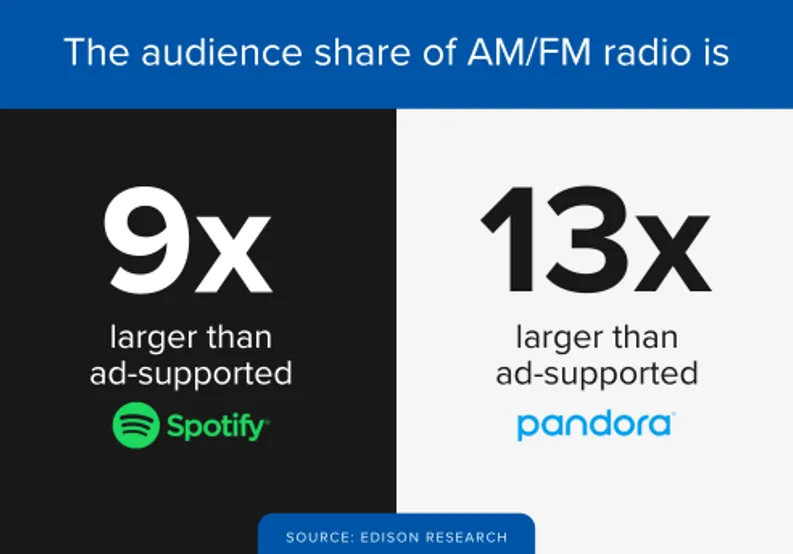
Purpose of Radio Ads for Business Visibility
Radio ads appear in moments when listeners are most attentive.
They enter daily routines naturally and repeat often enough to support clear brand recall. This makes them a strong choice for businesses that want consistent communication with local customers.
But it’s not just about the channel. Visibility works best when messages are clear, repeated consistently, and placed in programming that listeners follow.
Daily Message Placement
Radio ads place a business message in front of listeners during predictable routines. These moments help establish familiarity and shape long-term brand presence.
Repetition for Recognition
These ads support recognition through steady repetition during trusted programs. Repetition helps ensure listeners remember the business when they need a service.
Simple Production, Strong Presence
Radio ads help businesses remain visible without complex production needs. This provides smaller teams with a practical way to maintain a consistent market presence
This structure helps listeners build a connection with the business both immediately and over time.
Why Small and Mid-Sized Businesses Rely on Local Radio
Local radio connects businesses with a local audience that values community-focused content.
Listeners trust their preferred stations and hosts. This trust creates a direct communication channel for small and mid-sized businesses.
Access to Community-Minded Listeners
Local radio reaches people who care about what happens in their area. This gives businesses exposure to listeners who prefer supporting nearby companies.
Trust in Familiar Hosts
Listeners form trust with radio hosts through daily interactions. When a message comes from a familiar voice, the credibility of the business increases.
Support for Clear Communication
Radio provides a straightforward path for small businesses to communicate with confidence. This connection helps strengthen customer relationships.
These qualities make radio a dependable tool for long-term local growth.
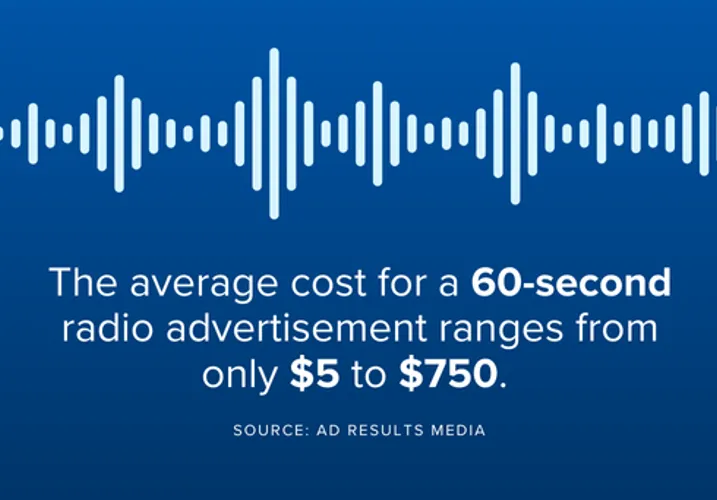
Cost-Effective Advertising for Growing Businesses
Radio remains a cost-effective advertising option that gives businesses flexibility with budgets and schedules.
It supports consistent promotion without large production expenses, which is valuable for organizations in growth stages.
Flexible Pricing Options
Radio provides options that support different budget sizes. This allows small and mid-sized businesses to participate in advertising campaigns that fit their financial capacity.
Clear and Direct Production Process
Radio reduces production complexity while keeping communication strong. Businesses can deliver a clear message without investing in costly visuals or extended planning.
Adjustable Frequency for Business Goals
Radio ads can run more or less often depending on specific business needs. This gives companies control over how they appear in the market across different seasons.
This flexibility supports sustainable growth and keeps advertising practical for businesses of all sizes.
Evaluating the Effectiveness of Radio Advertising for Small and Mid-Sized Businesses
Radio advertising provides value that small and mid-sized businesses can measure and rely on. It delivers steady communication to people who listen daily, which supports strong brand recall and practical outcomes.
When companies want results they can trace, radio offers a direct way to understand how messages influence customer behaviour and business growth.
Clear Explanation of Value and ROI
Radio offers value for local businesses by placing messages in front of listeners who already engage with spoken content as part of their routine.
This helps businesses create steady awareness without complicated production demands. The return on investment becomes clear when customers respond to calls, visits, promotions, or website activity driven by airing schedules.
Consistent Exposure Creates Measurable Presence
Radio ads reach people throughout the day in predictable settings. This creates repeated contact that supports brand recall and helps businesses see how awareness translates into customer action.
Affordable Entry Leads to Strong Value
Radio is a practical choice for companies that need controlled spending. It supports clear communication without high production costs. This makes the return on investment easier to achieve and track.
Direct Listener Response Highlights Impact
Businesses see value when customers reference ads, redeem offers, or respond to time-sensitive promotions. These actions reflect how radio turns awareness into results.
This helps companies understand the financial benefit of their campaigns in real terms.
Role of Trust From Listeners
Listeners rely on the stations and hosts they know. This trust extends to the businesses featured in radio advertising.
When a message comes from a familiar source, it carries more weight and feels more reliable to the audience.
Trusted Voices Strengthen Business Messages
Radio hosts have long-standing relationships with listeners. Their involvement gives a business message credibility that is hard to recreate in other formats.
Daily Listening Builds Familiarity
Listeners form habits around their favourite stations. Messages delivered during these routines feel natural and reliable, which influences how people respond to ads.
Community Connection Supports Confidence
Radio reflects local culture and values. This alignment makes listeners more open to businesses that advertise in these familiar spaces.
Trust helps create a stronger link between the business message and listener action.
Performance Metrics That Matter
The ability to measure radio advertising performance is another key advantage.
This helps businesses understand how effectively they reach their audience. The available metrics show patterns in response, timing, and audience engagement.
Reach and Frequency Reveal Audience Exposure
Reach shows how many people heard the message. Frequency shows how often they heard it. Together, these metrics help businesses see how exposure affects recognition.
Listener Demographics Show Who Responds
Audience data, such as age, interests, and routines, helps businesses understand which groups engage most with their ads. This supports informed decisions about future campaigns.
Response Tracking Shows Direct Impact
Promo codes, dedicated phone lines, and landing pages help track reactions. These tools make it easier to connect listener behaviour to specific airing times.
These metrics show how well radio advertising serves business goals and where adjustments can improve results.
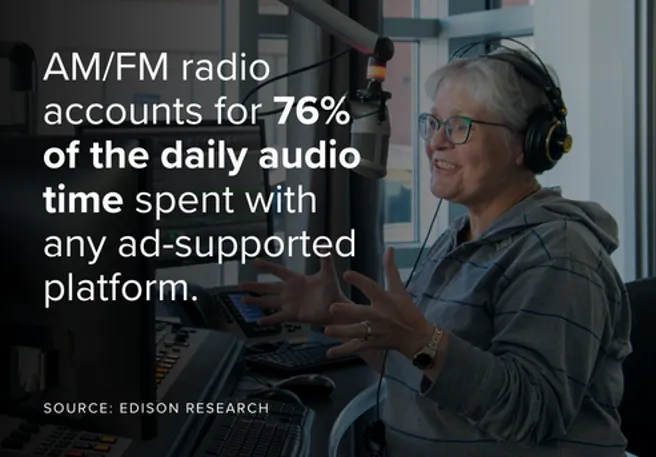
Audience Reach and Targeting Capabilities in Radio Advertising
Radio advertising helps businesses connect with listeners across a wide range of audience groups.
By reaching people throughout their day, radio represents a strong channel for businesses that need clear communication and reliable exposure. Targeting options support both broad reach and precise delivery, providing companies with flexibility when crafting radio ads.
Radio’s broad reach also works because listeners follow programs that reflect their routines. These programs create stable listening periods that help strengthen message recall.
Businesses can use this environment to communicate with many types of listeners at once.
Broad Reach and Targeted Impact
Radio also reaches people from different age groups, income levels, and interests.
It supports audience targeting by matching business messages with listener patterns. This helps companies speak to groups that respond well to audio content.
Reaching Varied Listener Groups
Radio ads connect with people from different demographic backgrounds. This supports wide exposure and helps businesses speak to customers at multiple life stages.
Targeting Through Listening Habits
Listeners choose stations that match their interests. Businesses can place ads in programs that attract the right mix of listeners. This supports effective audience targeting.
Matching Message to Listener Timing
Specific time slots reach listeners during work hours, commutes, or leisure time. These periods help shape the impact of the message. Businesses gain access to predictable listening behaviour.
The blend of reach and targeting helps businesses share messages clearly, consistently, and widely.
Local Audience Targeting
Local radio stations speak directly to the local audience that lives, works, and shops in the same region as the business.
This geographic connection helps messages reach the people most likely to respond and become customers. It also supports community trust, which strengthens how listeners receive information.
Reaching Listeners in Specific Areas
Radio stations focus on defined broadcast regions. This helps businesses speak to people who are physically close to their store or service area.
Aligning Messages With Local Interests
Local campaigns reflect the culture, routines, and priorities of the community. This increases relevance and supports listener engagement.
Improving Business Results Through Local Focus
A local audience responds more often to promotions, events, or offers they can act on nearby.
Again, local precision helps businesses reach people who are most likely to become customers. This creates clearer and more meaningful possibilities and outcomes for advertisers.
Advanced Demographic Targeting
We’ve already talked about audience targeting when it comes to radio shows and program types, but that advantage extends to station formats and time slots.
Stations track listener patterns and share data that helps businesses shape their message. These details help advertisers build more effective radio ads with stronger alignment to listener behaviour.
Using Station Formats for Better Targeting
Stations follow themes such as sports, news, talk, or specific music genres. Businesses choose formats that attract listeners who match their ideal customer profile.
Choosing Time Slots for Defined Groups
Time-of-day patterns help target groups such as morning commuters, midday listeners, or evening audiences. This gives businesses control over when messages appear.
Applying Demographic Data to Improve Results
Metrics such as age, income, and household habits help refine placement decisions. These insights guide businesses toward schedules that support better results.
These targeting tools help businesses shape radio advertising campaigns that fit their goals and reach the right listeners.
Why Local Businesses Choose Harvard Media for Radio Advertising Solutions
Local businesses choose Harvard Media for radio advertising because of the strong combination of reach, creative support, and data-driven insight that the company offers.
Our stations connect with listeners across Calgary and surrounding communities, giving businesses access to audiences who are already engaged with trusted programs and familiar hosts. Our creative teams help shape clear and effective radio advertising messages that fit the business goal, while performance data shows how each campaign is working. This structure gives companies confidence and clarity as they communicate with their customers.
Harvard Media also brings local relevance and long-standing community trust to every campaign. Our stations reflect the identity of the communities we serve, which helps business messages feel genuine and connected to real listener interests.
This connection makes radio advertising more effective because audiences respond to voices and stations they already rely on. Local businesses benefit from this established trust, gaining a communication channel that supports strong relationships and consistent results.
Frequently Asked Questions
What is radio advertising, and how does it work?
Radio advertising uses audio messages aired on radio stations to reach listeners during daily routines such as commuting, working, or relaxing. It works by placing scheduled ads within specific programs or time slots so businesses can speak to audiences that match their customer base.
What makes a good radio ad script?
A strong script uses clear wording, a direct message, and a single focused call to action. It avoids unnecessary detail and relies on simple phrasing that listeners can understand the first time they hear it.
What are common radio ad formats?
Common formats include produced spots with music and voiceover, host-read ads delivered by familiar radio personalities, and live reads that occur during a show. Each format supports different goals. Produced spots offer control, host-read ads add credibility, and live reads create a conversational tone that feels personal to listeners.
How do I target my audience with radio ads?
Audience targeting begins with choosing the right station format, such as news, talk, sports, or specific music genres. Businesses then select time slots that match listener routines and use demographic data to refine placement.
Is radio advertising still relevant in 2026?
Yes. Radio advertising remains relevant because listeners continue to follow local stations and trust familiar hosts. It offers cost-effective communication, strong local reach, and measurable results through modern performance tools. Businesses still rely on radio to speak to customers who value community identity and clear, consistent messaging.