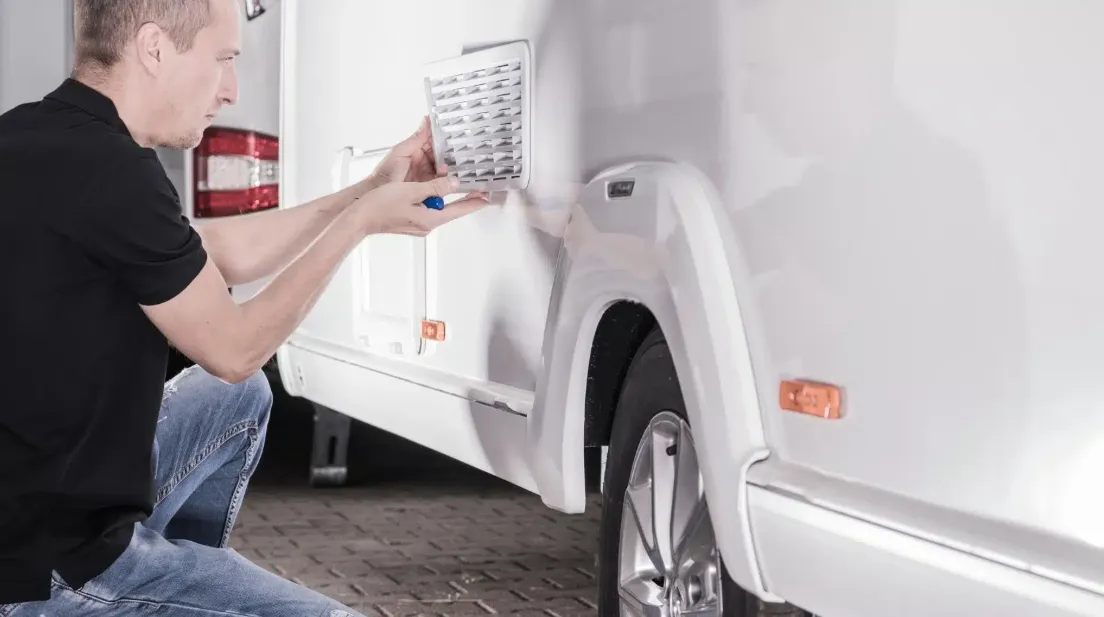
At some point, every vehicle owner—whether you’re piloting a cozy motorhome or driving a well-worn daily commuter—faces the same question: should you invest in repairs or cash out and move on? It’s not always an easy decision. There’s the sentimental value of a vehicle that’s been part of road trips, camping memories, and daily routines. On the other hand, there’s the practical reality of mounting repair bills, unpredictable breakdowns, and the lure of quick cash. According to The RV Shop serving Delaware, understanding your options starts with taking a clear-eyed look at your vehicle’s current condition, the cost of repairs, and your long-term needs.
When Repairs Are the Right Call
For RV owners, the idea of repairs isn’t just about keeping the wheels turning—it’s about preserving a lifestyle. Whether you’re planning cross-country adventures or seasonal getaways, having your RV in top condition ensures safety, comfort, and reliability. A quality repair shop offers more than just fixing what’s broken; it restores peace of mind.
Professional RV repair services often include everything from roof resealing and slide-out adjustments to intricate electrical troubleshooting and appliance replacement. For owners who value their RV as a long-term investment, these repairs can extend the life of the vehicle by years. And when the shop offers mobile repair services, the convenience factor soars—you don’t have to put your travel plans on hold or risk driving a malfunctioning vehicle to a facility.
However, deciding to repair also means considering the bigger picture. If your RV is relatively new, well-maintained, or customized to your liking, it’s usually worth the investment. Repairs can be especially smart when the issues are more cosmetic than structural, or when safety-related fixes prevent much larger expenses down the road.
When Selling Makes More Sense
Sometimes, no matter how attached you are to your RV or car, it’s better to sell. This is especially true when the cost of necessary repairs rivals—or even exceeds—the value of the vehicle after those repairs are done. In those situations, selling your vehicle “as is” can save you time, money, and headaches.
Selling to a reputable buyer who specializes in used or junk cars is often a surprisingly quick process. You can usually get a fair offer within hours, schedule a pickup at no cost, and receive payment the same day. This makes it an appealing option for owners who don’t want to deal with private buyers or lengthy online listings. With many buyers accepting vehicles in any condition—running or not—you eliminate the stress of prepping the vehicle for sale or arranging transport. One example of this type of service can be found at the http://byotautoparts.com/ website, where the process is designed to be fast, transparent, and hassle-free.
The Cost-Benefit Reality Check
The smartest way to make your decision is to compare the cost of repairs to the potential value and utility of the vehicle afterward. If your RV or car will still have several good years of dependable service post-repair, spending the money now can be worthwhile. But if it’s going to be a constant source of bills and breakdowns, selling could be the financially savvy choice.
It’s important to factor in hidden costs, too. Repairing your RV may mean time off the road and booking alternate travel or accommodations. Selling might involve letting go of a vehicle before you are ready, which could mean an unplanned search for a replacement. The emotional element is real—but numbers rarely lie. If you find yourself constantly pouring money into a vehicle that still doesn’t meet your needs, it’s a sign that it may be time to part ways.
Safety and Functionality Should Come First
If your decision is leaning toward repairs, prioritize work that impacts safety and core functionality. In RVs, that includes brakes, tires, electrical systems, and plumbing. For cars, it’s similar—brakes, steering, and anything that affects the vehicle’s ability to run reliably. Cosmetic improvements and upgrades can always come later if the budget allows.
Safety-related repairs often carry the added benefit of increasing resale value down the line. Even if you eventually decide to sell, a well-maintained and safe vehicle is likely to fetch a better price. This means you’re not just spending for the present—you’re also protecting future potential returns.
Knowing When to Let Go
There’s no shame in deciding that a vehicle has reached the end of its road with you. In fact, it’s a decision many owners put off longer than they should, holding onto a vehicle out of habit or nostalgia. But letting go can free you from ongoing repair expenses, storage costs, and the mental load of wondering what will break next.
Selling “as is” also has the environmental advantage of recycling usable parts and materials, giving other vehicles a second life and reducing waste. In some cases, the parts from your vehicle might help keep dozens of others on the road.
The Balanced Decision
Ultimately, the decision to repair or sell comes down to a combination of math, personal priorities, and timing. If the repair costs are reasonable and the vehicle meets your long-term needs, keeping it makes sense. But if the expenses are mounting, and you find yourself constantly budgeting for the next breakdown, selling might not just be the practical choice—it might also be the freeing one.
By weighing your options objectively, consulting with trusted repair professionals, and researching reputable buyers, you can confidently choose the path that aligns best with your lifestyle and finances. Whether you opt to fix and keep rolling or flip it for fast cash, the key is making the decision proactively rather than reactively.