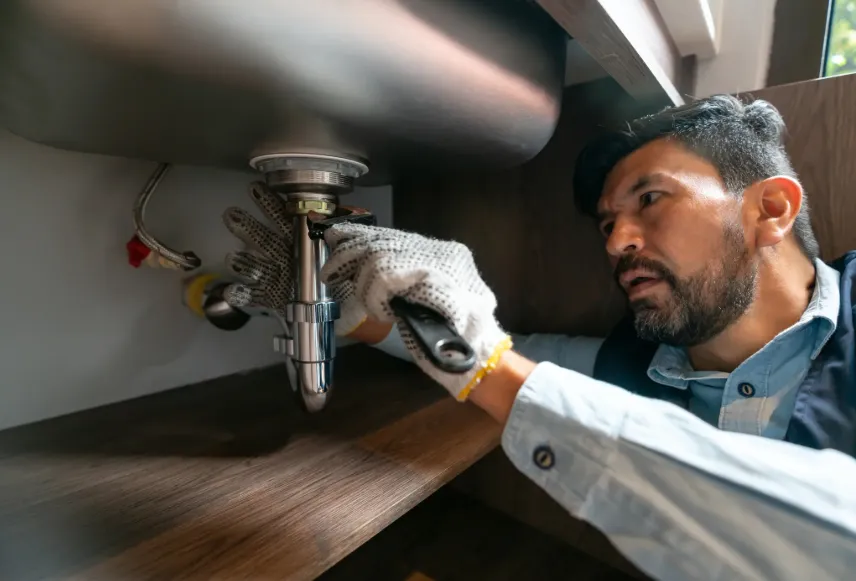
In a world where job security and satisfaction are increasingly sought after, careers in plumbing provide a steady and promising future. Not only does the profession offer stability and practical skill development, but it also provides an opportunity to make a meaningful impact in the community. Plumbers play a crucial role in safeguarding public health and safety, as their expertise ensures reliable water supplies and fully operational sanitation systems. The work plumbers do—installing, repairing, and maintaining diverse water systems—touches nearly every aspect of daily life, revealing just how indispensable the trade has become. For those looking to enter this high-demand field, the ABC Heart of America training program is an accessible route to gaining the expertise necessary for a successful plumbing career. This program, and others like it, help to bridge the gap between aspiring tradespeople and the critical needs of their communities, ensuring there’s always a robust workforce of trained professionals ready to step in.
The demand for professional plumbing services is driven by expanding residential areas, new commercial developments, and the upgrading of aging water systems. Older buildings in both urban and rural areas need repairs, providing steady employment opportunities. Furthermore, stricter water and environmental laws have increased project complexity, requiring a highly skilled workforce.
Rising Demand for Plumbers
The plumbing industry is experiencing a surge in demand, driven by the retirement of skilled workers and the need to upgrade aging infrastructure. The U.S. Bureau of Labor Statistics predicts a 14% growth in plumbing jobs over the next decade, driven by expanding construction, population growth, and the need to upgrade utility systems. Wherever people are, there’s a need for clean water, heating, and waste disposal, ensuring a steady demand for qualified plumbers.
Rapid development in major cities with new residential and commercial buildings contrasts with the ongoing repairs and upgrades required for infrastructure in older cities. Plumbers are essential for emergency and maintenance services for businesses, governments, and homeowners alike. This persistent demand makes plumbing a stable and promising career choice.
Accessible Training Pathways
Unlike many careers that require costly degrees, plumbing often begins through vocational education and apprenticeships, making it an ideal career for avoiding student debt. Vocational programs focus on practical skills, led by experienced professionals in classrooms and hands-on environments. Graduates are well-equipped for the workforce, possessing the technical knowledge and adhering to safety standards. These options are more affordable than four-year colleges, emphasizing real-world practice alongside classroom learning.
Modern apprenticeships, such as those offered at technical institutes and trade organizations, enable participants to earn while they learn, thereby reducing debt and providing early income. They offer on-the-job experience under the guidance of licensed plumbers and prepare individuals for certification exams.
Competitive Salaries and Job Security
A career in plumbing provides strong earning potential from the outset. The average plumber’s salary in the U.S. exceeds $54,000 per year, with more experienced or specialized technicians earning higher salaries. As projects become more advanced, incorporating smart home technology and sustainable water systems, incomes can continue to grow. Plumbers can also increase their earnings through overtime, bonuses, and by owning their own businesses. In addition to financial gains, job security remains high because of the critical nature of the work. Demand for water, sanitation, heating, and emergency repair services stays consistent, even during economic downturns, ensuring stable employment.
Diversity in the Plumbing Workforce
A key development in modern plumbing is the increasing diversity within its workforce. More women are joining the profession, breaking down barriers and offering fresh perspectives. This inclusion of underrepresented groups has boosted the trade’s reputation as a progressive career built on merit and skill. Companies actively support women and marginalized groups, narrowing the talent gap and fostering an innovative, equitable environment. This change impacts mentorship, leadership, and career development, allowing skilled individuals to become supervisors, start businesses, and guide new workers. Thanks to demographic changes and updated hiring practices, the plumbing industry is becoming more inclusive and adaptable, benefiting from a range of perspectives and talents.
Technological Advancements in Plumbing
Technology is revolutionizing the plumbing sector through energy-saving systems, smart water technology, and eco-friendly options such as greywater recycling. Plumbers need to understand sensor fixtures, low-flow appliances, and leak detection, opening pathways for training as green consultants or smart home experts. Keeping up with innovations enables plumbers to build expertise in environmentally friendly niches, ensuring their services are industry-compliant. Today, professionals frequently use tablets and apps, thus requiring knowledge of both traditional and digital tools. As technological skills become increasingly important, obtaining advanced certifications can give plumbers a competitive edge.
Conclusion
A career in plumbing offers stability, opportunities for advancement, and the chance to make meaningful contributions. Its accessible training programs, competitive salaries, diverse workforce, and advancing technologies make it a strong choice for growth. With ongoing education and industry innovations, both newcomers and seasoned plumbers can find long-term success. As the workforce evolves and new challenges emerge, the outlook remains positive for committed individuals in this vital and constantly developing industry. Today, plumbing is more than just a profession—it’s a way to support community health and sustainability for future generations.