

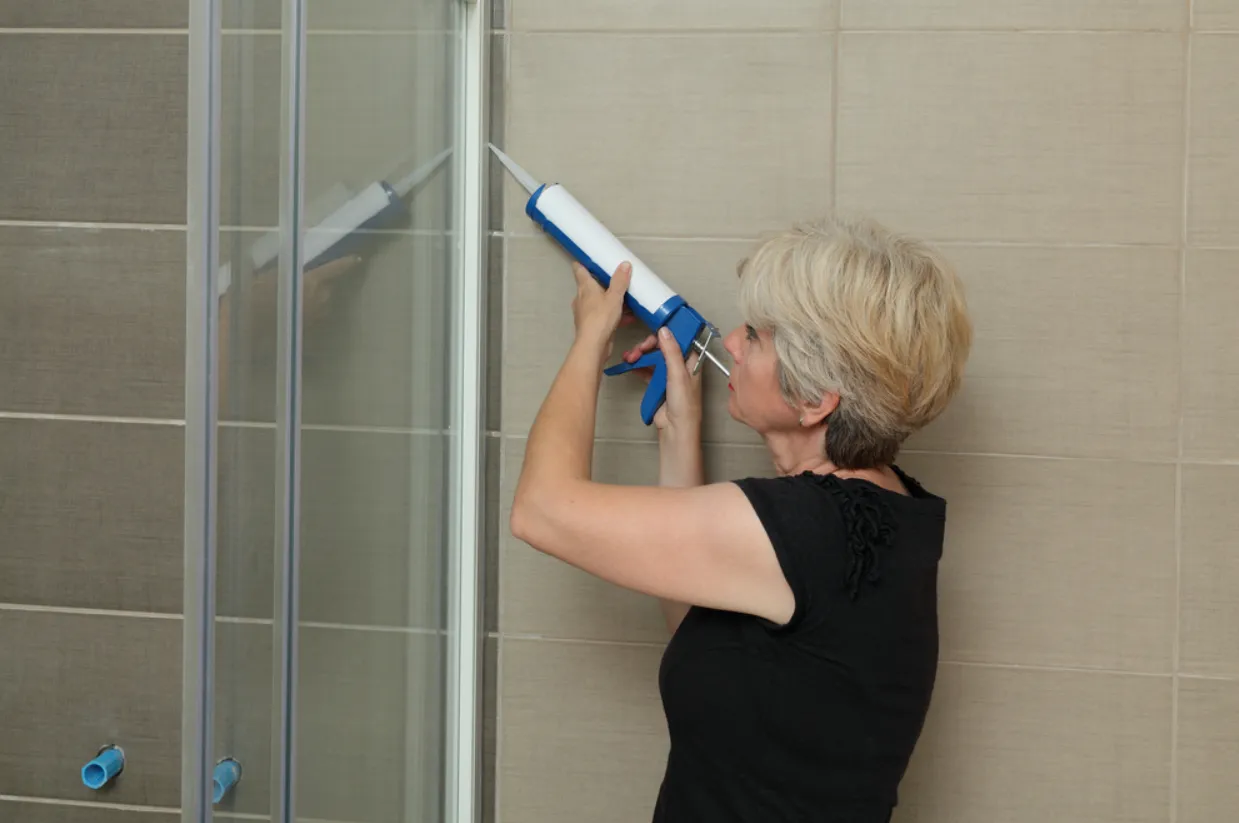
A shower door drip seal may look like a small and insignificant part of your bathroom, but it plays a major role in preventing leaks, dampness, and costly long-term damage. Over time, this seal begins to wear out, allowing water to escape and create problems that many homeowners don’t notice until it’s too late. If you’re already dealing with puddles on the bathroom floor, mold around the tiles, or constant moisture issues, it may be time to take action. This guide will help you recognise the warning signs early and understand why replacing your seal is crucial. If you need dependable options, you can find durable replacement seals here through trusted UK suppliers, and visiting find durable replacement seals here will help you explore seals designed specifically to prevent these issues.
Why Your Shower Door Drip Seal Matters More Than You Realise
The drip seal sits at the bottom of your shower door, acting as a barrier between the inside of the shower and the bathroom floor. Every time the water hits the screen, the seal redirects it back into the enclosure. Without it, water freely spills out and spreads across the floor.
Most UK bathrooms are compact, which means even a small amount of water can find its way under flooring, between tiles, or into corners where mould begins to grow. The seal prevents this by working silently in the background. When it loses effectiveness, the consequences can be more serious than many homeowners expect.
A worn-out drip seal can lead to:
- Damp patches
- Rotting floorboards
- Peeling paint
- Loose tiles
- Persistent mould smell
- Increased humidity
Replacing the seal at the right time helps you avoid future repair costs and keeps your bathroom environment safe and dry.
Sign 1: Water Leaks or Puddles After Every Shower
The most obvious sign that your drip seal needs replacing is water escaping onto the bathroom floor. If the floor becomes wet after each shower—even when the door is fully closed—the seal has likely lost its ability to direct water inward.
Water leaks can begin small. At first, it may look like a few droplets near the edge of the door. Over time, it can turn into a noticeable puddle. The longer it is ignored, the greater the chance of long-term damage.
This is one of the earliest indicators that your seal is no longer doing its job. Prompt replacement can prevent larger repairs later.
Sign 2: Cracks, Splits, or Warping on the Seal
Shower seals are made from flexible materials, which naturally break down over time due to constant exposure to water, heat, and cleaning chemicals. If your drip seal looks cracked, dry, rigid, or wavy, it has already reached the end of its lifespan.
A compromised seal cannot grip the glass properly. The cracks also create pathways for water to escape. Warping is especially common in older seals, where the bottom fin bends away from the door instead of sitting flat.
Once damage appears, replacing the seal becomes the only effective solution.
Sign 3: The Seal No Longer Grips the Shower Door
A good drip seal should fit tightly along the bottom edge of your shower door. If the seal starts slipping off, feels loose, or keeps detaching, it means the inner gripping channel has widened or lost flexibility.
In many cases, homeowners try to push the seal back into place, but this only works temporarily. Once the grip weakens, the seal will continue to fall off during normal shower use.
A loose seal fails to block water effectively and may even cause misalignment issues with the door. At this point, it’s best to replace it with a properly fitted one.
Sign 4: Mould, Mildew, or Persistent Smells
A failing drip seal often leads to moisture being trapped under the door or around the edges. Moisture quickly becomes a breeding ground for mould and mildew.
If you notice black spots forming along the seal, or if the area smells damp even after cleaning, this is a clear sign the seal is no longer functioning properly. The mould may also spread to nearby tiles and grout, creating a much larger hygiene problem.
Replacing the seal stops the moisture source and helps restore a fresh, clean environment in your bathroom.
Sign 5: Difficulty Opening or Closing the Shower Door
A drip seal should never interfere with the natural movement of your shower door. If the door begins catching, dragging, or feeling tight when opened, the seal may have stiffened or become misaligned.
When this happens, the door may not close properly, leaving a small gap where water can escape. This also increases strain on the hinges or rollers.
A new seal will restore smooth movement and help maintain the door’s alignment over time.
Why Replacing the Seal Is a Simple But Powerful Fix
Many homeowners assume bathroom repairs are complicated, but replacing a shower door drip seal is a quick and straightforward DIY task. It requires no special tools and usually takes only a couple of minutes.
Simply slide the old seal off, clean the glass edge thoroughly, and slide the new one into place. The improvement is immediate—no more leaks, no more puddles, and no more worrying about hidden damage.
Choosing a high-quality replacement ensures long-term protection and better performance.
Final Thoughts: Act Early to Protect Your Home from Water Damage
A worn or damaged shower door drip seal may seem like a minor issue, but it can quickly cause damp floors, mold growth, and expensive structural damage. By watching for the signs early—water leaks, cracks, reduced grip, mould, and door movement—you can take action before the problem becomes serious.
Reliable replacements are essential to restoring your shower’s performance. If you want options designed specifically to last, you can find durable replacement seals here and explore high-quality choices through this trusted UK collection

