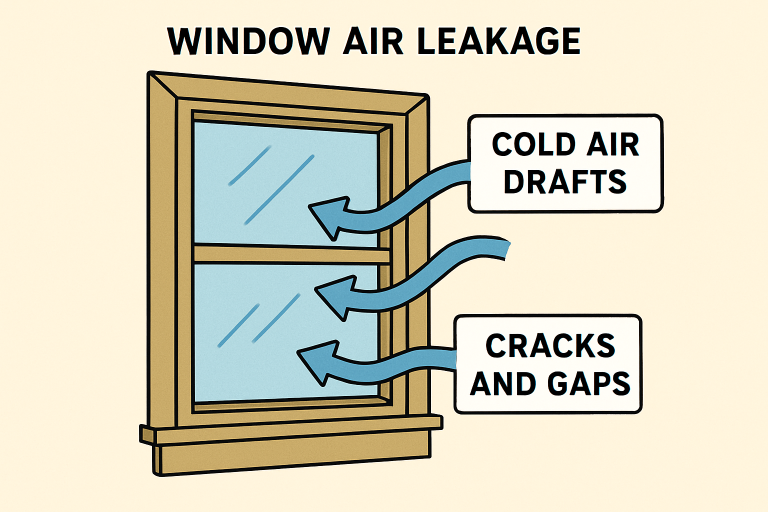
Understanding the Impact of Drafty Windows
Drafty windows often go unnoticed until utility bills begin to climb or cold spots appear in your home. Left unaddressed, these drafts can affect both comfort and energy efficiency year-round. According to the U.S. Department of Energy, heat gain and loss through Phoenix windows can account for 25 to 30 percent of residential heating and cooling energy use. By targeting window drafts early, homeowners can reduce energy waste, improve comfort, and make their homes more efficient year-round.
Without proper draft prevention, homes become susceptible to seasonal temperature fluctuations. Cold air can seep through gaps in winter and hot air can infiltrate in the summer, making your HVAC system work overtime to maintain a consistent indoor environment. This increased load contributes to higher energy use, higher bills, and unnecessary strain on your home’s systems.
Identifying Common Sources of Window Drafts
Pinpointing the origin of drafts ensures solutions target the root cause, not just the symptoms. Several elements can cause your windows to lose their insulating effectiveness.
- Gaps in window frames: Over time, frames can expand, contract, or shift, leading to small gaps where air can enter or escape. Older windows are particularly vulnerable as materials degrade.
- Worn-out weatherstripping: The sealing strips designed to block out drafts may become brittle, compressed, or detached with use and age, losing their ability to keep out the elements.
- Single-pane glass: Many older homes still have single-pane windows, which offer minimal insulation and are more likely to experience noticeable drafts than modern multi-pane options.
Effective Methods to Prevent Window Drafts
1. Apply Weatherstripping
Weatherstripping is a simple yet highly effective way to seal leaks. Materials such as adhesive-backed foam tape, V-strip, or tension-seal weatherstripping can be cut to size and applied along window sashes and frames. This approach is particularly useful for windows that you open and close regularly. It creates a barrier that not only prevents air loss but also blocks dust, insects, and moisture from entering your living spaces.
2. Use Window Insulation Film
Adding a transparent window insulation film on the inside of your windows provides another layer of protection during cold months. This method is popular due to its affordability and ease of installation. Once you apply the film and use a hairdryer to shrink it, a tight seal forms, trapping a layer of insulating air and helping reduce heat loss. Homeowners should remember that windows covered in insulation film generally cannot be opened until the film is removed, so this solution is best suited for winter use.
3. Install Thermal Curtains
Heavy, insulated curtains are specifically designed to retain indoor heat, reduce drafts, and enhance overall comfort. By covering windows completely and allowing the curtains to reach the floor, you create a physical barrier that helps block out drafts. For the best results, select draperies with a thermal lining and keep them closed during the coldest parts of the day or night.
4. Utilize Draft Stoppers
Draft stoppers, also called draft snakes, are fabric tubes that fit along the bottom of windows (or doors) to prevent cold air from entering. While only a temporary fix, draft stoppers are an inexpensive and movable option for anyone seeking fast relief from unwanted chilly breezes inside their home.
5. Apply Caulk to Seal Gaps
When you discover cracks or gaps around the stationary parts of your windows, applying caulk is a long-lasting solution. Choose a weather-resistant caulk suitable for your window material and climate. Use it to fill visible cracks and joints around the exterior and interior frames. Properly applied caulk can prevent air and moisture infiltration while also boosting the durability of your windows.
6. Consider Window Replacement
Severely drafty or damaged windows may be beyond repair. Replacing old windows with new, energy-efficient models, such as those with double or triple panes and low-emissivity (Low-E) coatings, will deliver dramatic improvements in comfort and long-term energy savings. According to Energy.gov, window replacement can cut energy loss and lower utility bills for years after installation.
Additional Tips for Enhancing Window Insulation
- Regular Maintenance: Frequently check window locks, frames, and seals for any signs of deterioration and promptly address any emerging issues.
- Use Window Coverings: In addition to thermal drapes, consider using blinds or cellular shades for an extra insulating barrier when closed during chilly days and nights.
- Install Storm Windows: Adding storm windows can effectively boost insulation and protect original windows from weather-related impacts, for both single- and double-pane windows.
Final Thoughts
Preventing and repairing window drafts contributes to both immediate indoor comfort and long-term energy efficiency. By employing weatherstripping, insulation film, thermal curtains, and caulking, you can address the most common sources of window leaks. For homeowners with older or seriously damaged windows, professional inspection and window replacement can provide lasting relief from drafts and promote sustainable energy use. Make window care and upgrade decisions part of your routine home maintenance for optimal comfort and efficiency in every season.