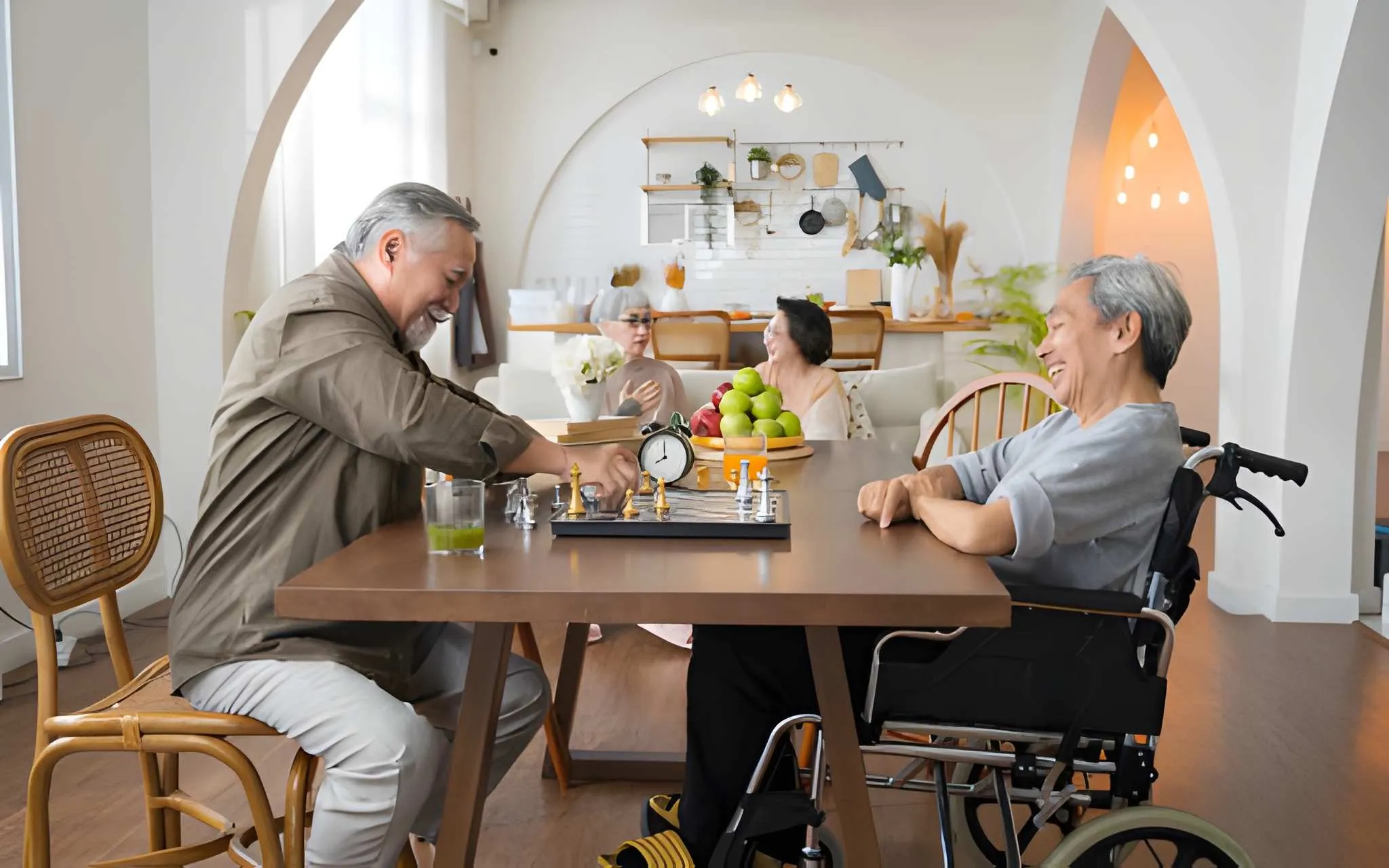
Many older adults face a quiet struggle after retirement or a major life transition. Social isolation affects millions of seniors worldwide, leading to depression, cognitive decline, and physical health problems. Assisted living communities address this challenge directly by creating environments designed to keep residents engaged, connected, and active. Understanding how these communities combat loneliness is valuable for families considering care options for their aging loved ones.
1. Structured Social Activities and Programs
Assisted living facilities organize regular social events and recreational programs that bring residents together around shared interests. These activities range from arts and crafts classes to game nights, movie screenings, and educational seminars. For example, a community might host a weekly book club where residents discuss novels over coffee, or organize themed dinners that celebrate different cultures and cuisines. By scheduling activities throughout the week, assisted living communities create consistent opportunities for interaction without requiring residents to take initiative on their own.
Professional staff members often facilitate these programs, ensuring that activities are accessible to residents of varying physical abilities and cognitive levels. Some communities invite local performers, guest speakers, or volunteers to lead special events, adding variety to the social calendar. The structure removes barriers that isolate seniors, such as transportation challenges or uncertainty about where to find peers with common interests. When activities are built into the daily rhythm of community life, participation becomes natural and expected rather than an afterthought.
2. Shared Dining and Communal Spaces
Meal times represent one of the most effective opportunities for social connection in assisted living communities. Rather than eating alone in private apartments, residents gather in communal dining rooms where conversation flows naturally over breakfast, lunch, and dinner. This daily ritual creates predictable moments for interaction and helps residents form meaningful relationships with their peers. Many communities offer flexible seating arrangements, allowing residents to sit with friends or meet new people depending on their preference on any given day.
Beyond dining rooms, assisted living communities feature common areas designed to encourage gathering and socializing. Lounges with comfortable seating, libraries, game rooms, and outdoor patios provide spaces where residents can spend time together casually. These communal spaces often become hubs of activity where residents might play board games, watch television together, work on puzzles, or simply chat. The physical environment plays a central role in reducing isolation because it removes the need for residents to seek out reasons to leave their private spaces and connect with others.
3. Peer Companionship and Friendship Building
Living in close proximity to others in the same life stage naturally fosters peer relationships and friendships. Assisted living communities house dozens or hundreds of residents, dramatically increasing the likelihood that a person will find others with similar backgrounds, interests, or experiences. A former teacher might connect with other educators, or someone who loves gardening might join a horticultural club with fellow enthusiasts. These authentic friendships provide emotional support, practical help, and a sense of belonging that counters the deep loneliness many seniors experience.
Staff members often play a matchmaking role, introducing residents who they believe would get along well together. They observe personalities and preferences, then facilitate introductions or invite compatible residents to the same activities. Over time, friend groups naturally form, and many residents develop close bonds with their peers. These relationships extend beyond scheduled activities, as friends visit each other’s apartments, attend outings together, and support one another through personal challenges. Communities that prioritize intentional relationship building, such as LakeHouse Lake Mills, help residents build friendship networks that can be just as meaningful as family connections.
4. Organized Outings and Community Involvement
Assisted living communities often arrange field trips and outings that take residents into the wider community while providing group transportation and support. Residents might visit local museums, attend concerts, go shopping, or participate in community events together. These outings serve a dual purpose: they provide new experiences and mental stimulation while simultaneously strengthening bonds between residents who share the experience. A group trip to a botanical garden or historical landmark, for instance, becomes both an educational outing and a social adventure.
Many communities also facilitate resident involvement in volunteer work and community service projects. Seniors might participate in local charity events, read to children at libraries, or contribute to fundraising efforts. This engagement with the broader community gives residents a sense of purpose and connection beyond their immediate peer group. It also counters the perception that older adults are passive recipients of care, positioning them instead as active contributors to society. When residents feel valued and connected to something larger than themselves, the protective effects against isolation are reinforced.
5. Technology and Connection to Family and Friends
Modern assisted living communities recognize the value of connections beyond the immediate community and often provide technology support for residents to maintain relationships with distant family and friends. Staff members help residents use video calling, email, and social media to stay in touch with loved ones across the country or around the world. This technological bridge is especially valuable for seniors with limited mobility who might otherwise struggle to maintain long-distance relationships. Consistent access to digital communication tools helps ensure that physical distance does not translate into emotional distance.
Some communities offer computer classes, tablet training, or organized virtual social hours that help residents navigate digital communication tools with confidence. These programs reduce the technology barrier that can make older adults feel disconnected in an increasingly digital world. Residents can share photos with grandchildren, participate in family video calls, and maintain friendships that might otherwise fade due to distance. By combining in-person community connection with access to distant relationships, assisted living environments create a comprehensive social network that addresses isolation from multiple angles.
Conclusion
Assisted living communities tackle social isolation through intentional design, structured programming, and environments built for connection. The five strategies of organized activities, shared dining spaces, peer friendships, community outings, and technology access work together to ensure that older adults remain engaged and socially active. For families concerned about loneliness affecting their aging relatives, assisted living represents a viable option that directly addresses one of the most serious threats to senior wellness. By understanding how these communities foster connection, families can make more informed decisions about long-term care that prioritizes both physical health and emotional wellbeing.